
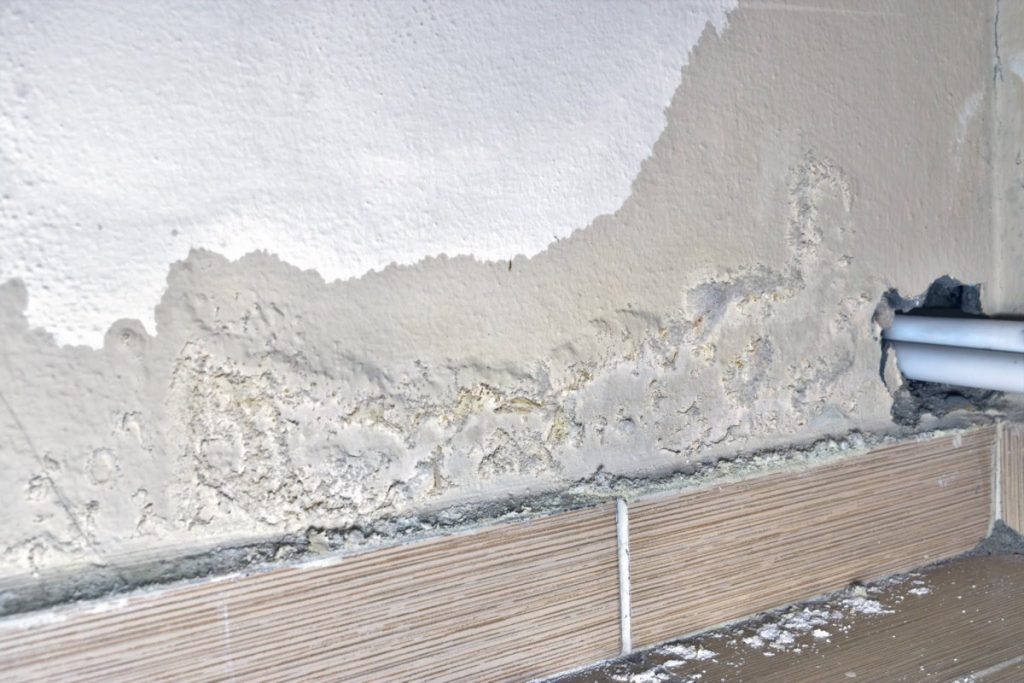
Autumn can be one of the most revealing times of year for damp problems.
After the warmer, drier months, falling temperatures, heavier rainfall and increased indoor humidity can suddenly expose weaknesses that may have gone unnoticed throughout summer. A small damp patch may reappear, a cellar that seemed dry may begin to smell musty, or condensation may become increasingly difficult to control.
Some moisture problems are relatively straightforward. Others can indicate rising damp, penetrating damp or failing basement waterproofing that requires professional attention.
So, before winter arrives, what should you be looking for?
Here is our autumn damp checklist covering seven signs that your property may benefit from a professional damp assessment.
1. Damp Patches That Appear After Heavy Autumn Rain
One of the clearest seasonal warning signs is a damp patch that darkens or grows during wet weather. This can point to penetrating damp, where rainwater enters through defects in the building’s external fabric.
Possible causes can include:
• Damaged or overflowing gutters
• Cracked render or masonry
• Defective pointing
• Problems around windows and doors
• Roof or flashing defects
• Water entering through below-ground walls
Unlike rising damp, penetrating moisture can appear at different heights and may spread horizontally through a wall.
If a damp patch repeatedly changes after rainfall, investigate the cause rather than simply repainting the affected area.
2. A Tide Mark Developing Near the Bottom of a Wall
Moisture appearing specifically around the lower section of a ground-floor wall may require a different type of investigation.
Rising damp occurs when groundwater travels upwards through porous masonry. A functioning damp proof course is designed to prevent this movement, but problems can occur if the DPC is missing, damaged, deteriorated or bridged.
Typical signs can include a visible tide mark, damaged skirting boards, peeling wallpaper, deteriorating plaster and white salt deposits.
Archer Treatments explains that rising damp is caused by groundwater moving upwards through walls or floors and may require specialist damp-proofing treatment where an existing damp-proof barrier is no longer effective.
If the problem returns despite repeated decorating, dealing with the underlying moisture source is likely to be more effective than continuing to cover the symptoms.
3. Your Basement or Cellar Becomes Damp After Autumn Rainfall
Below-ground rooms deserve particular attention as the weather becomes wetter.
Cellars and basements sit in soil that naturally contains moisture. During prolonged autumn rain, the surrounding ground can become increasingly saturated, placing greater water pressure against walls and floors.
You might notice:
• Wet patches appearing on cellar walls
• Water gathering around wall-to-floor junctions
• White mineral deposits
• Flaking finishes
• Damp smells
• Small leaks that appear after rain
Archer Treatments specialises in cellar and basement waterproofing and uses systems such as tanking, cavity membranes, drainage, and sump pumps where appropriate.
A cellar that only leaks during particularly wet periods should not necessarily be dismissed as a minor problem. Seasonal water ingress can still indicate inadequate waterproofing.
4. Paint or Wallpaper Starts Bubbling or Peeling
Decorative finishes can sometimes provide the first visible clue that moisture is present behind a wall.
Paint may begin to blister, wallpaper edges may lift, or plaster may become soft and powdery.
Before reaching for another tin of paint, try to establish why the surface is deteriorating.
Moisture can come from several sources, including condensation, rising damp, penetrating rainwater or plumbing leaks. Each requires a different response.
Repeatedly redecorating without identifying the cause can leave you with the same problem again a few months later.
5. Rooms Smell Musty Even When You Cannot See Damp
Not all damp is immediately visible.
A persistent earthy or musty smell can suggest excess moisture behind furniture, beneath flooring, within wall finishes, or inside a basement or cellar.
Autumn can make these odours more noticeable because homes tend to be closed up more often as temperatures fall.
A musty smell is particularly worth investigating if it is concentrated in one room or becomes stronger after rainfall.
Check behind wardrobes, around skirting boards, inside cupboards and in corners where air circulation is limited.
If you still cannot identify the source, a professional damp survey may help determine whether moisture is hidden within the building fabric.
6. Condensation Suddenly Becomes Much Worse
Not every autumn moisture problem requires damp proofing.
Condensation becomes more common during colder months because warm, moisture-laden indoor air comes into contact with colder surfaces.
Typical signs include water droplets on windows, black mould around window frames and moisture in kitchens and bathrooms.
Improved ventilation, consistent heating and reducing excess indoor moisture may help.
However, condensation and structural damp can sometimes occur in the same property.
If walls remain wet even after improving ventilation, or if moisture is concentrated in specific areas rather than on colder surfaces generally, it is sensible to investigate further.
A professional diagnosis can help distinguish between condensation, rising damp, and penetrating damp before recommending any remedial work.
7. Timber, Skirting or Plaster Is Starting to Deteriorate
Autumn damp is not simply a cosmetic concern.
Persistent moisture can eventually affect materials surrounding the damp area.
You may notice:
• Swollen or decaying skirting boards
• Soft or crumbling plaster
• Staining on timber
• Flaking decorative finishes
• A deterioration in flooring near damp walls
Continued moisture can also create conditions in which timber decay becomes more likely.
Archer Treatments provides specialist remedial services including treatment for wet and dry rot as well as damp proofing and waterproofing, making early investigation especially worthwhile where timber appears to be affected.
Why Autumn Is a Good Time to Investigate Damp
Dealing with damp in autumn offers a practical advantage: wetter weather often makes the cause easier to identify.
A wall that stayed dry in July may show a clear moisture pattern once persistent rain begins. Similarly, basement leaks associated with groundwater may become much more obvious.
Investigating the issue before the coldest part of winter can also prevent months of repeatedly heating and redecorating a room while the underlying moisture problem continues.
Damp Proofing Is Not a One-Size-Fits-All Treatment
One of the biggest mistakes property owners can make is assuming every damp patch requires the same solution.
Depending on the cause, appropriate treatment could involve:
• A remedial damp-proof course
• Replastering after rising damp treatment
• Repairs to external defects
• Basement or cellar tanking
• Cavity drain waterproofing
• Drainage and sump pump systems
• Repairs to areas allowing penetrating water to enter
The important first step is therefore diagnosis.
Archer Treatments is a Sussex-based specialist remedial contractor providing professional surveys and solutions for rising damp, basement and cellar waterproofing and associated property problems.
Don’t Let a Small Autumn Damp Problem Become a Winter Repair
The transition from summer to winter puts buildings through a significant change in conditions.
More rain, colder external surfaces and reduced ventilation can all reveal moisture problems that have been developing quietly in the background.
If you recognise any of these seven signs, dealing with the issue early can help protect plaster, decorations, timber and valuable living space before wetter winter weather arrives.
Concerned About Damp This Autumn?
If you have spotted damp patches, unexplained moisture, a leaking basement or other signs of water entering your property, contact Archer Specialist Treatments.
Our experienced team can assess the problem, identify the likely source of moisture and recommend an appropriate damp-proofing or waterproofing solution.
Arrange a professional inspection today and get your property ready for the wetter months ahead.