
Hidden in Plain Sight: 7 Early Warning Signs of Damp Most Homeowners Overlook

7 Early Warning Signs of Damp Most Homeowners Overlook

Damp is one of the most common property problems in the UK, yet many homeowners fail to spot the early warning signs until significant damage has already occurred. Left untreated, damp can affect your home’s appearance, structural integrity, indoor air quality, and even your health.

The good news? Catching damp early can save time, money, and stress. Here are seven warning signs that shouldn’t be ignored.

1. A Persistent Musty Smell

One of the earliest indicators of damp is an unpleasant, musty odour. Even if there are no visible signs, a lingering smell often suggests excess moisture hidden within walls, floors, or roof spaces.

2. Peeling Paint or Wallpaper

If paint starts bubbling, cracking, or peeling away from the wall, moisture may be trapped beneath the surface. Wallpaper that lifts at the edges can also indicate damp problems developing behind the scenes.

3. Dark Patches on Walls and Ceilings

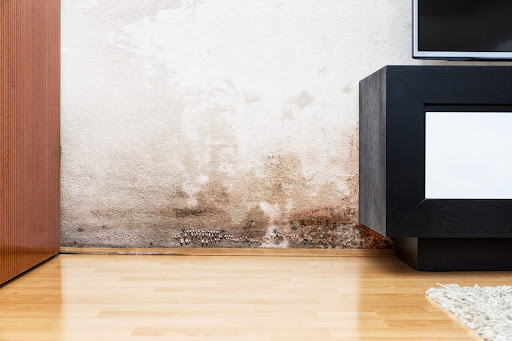
Discoloured patches, watermarks, or staining are often caused by moisture penetrating the building fabric. These marks may appear after heavy rainfall or become more noticeable during colder months.

4. Mould Growth

Small black spots around windows, ceilings, or corners of rooms are often dismissed as simple condensation. However, recurring mould growth can indicate a more serious damp issue that requires professional investigation.

5. Cold or Damp Walls

Walls that feel unusually cold, damp, or wet to the touch may be absorbing moisture. This can reduce energy efficiency and create an uncomfortable living environment.

6. Damaged Skirting Boards or Timber

Warping, crumbling, or soft timber can signal prolonged exposure to moisture. In some cases, damp conditions can lead to timber decay or fungal growth, including wet rot and dry rot.

7. White Powder Deposits

A white, chalky substance on walls or brickwork, known as efflorescence, is often caused by salts being drawn to the surface by rising moisture. This is a common sign of rising damp.

Why Early Action Matters

Ignoring damp rarely makes it disappear. What begins as a minor issue can quickly lead to damaged plaster, timber decay, mould infestations, and costly structural repairs.

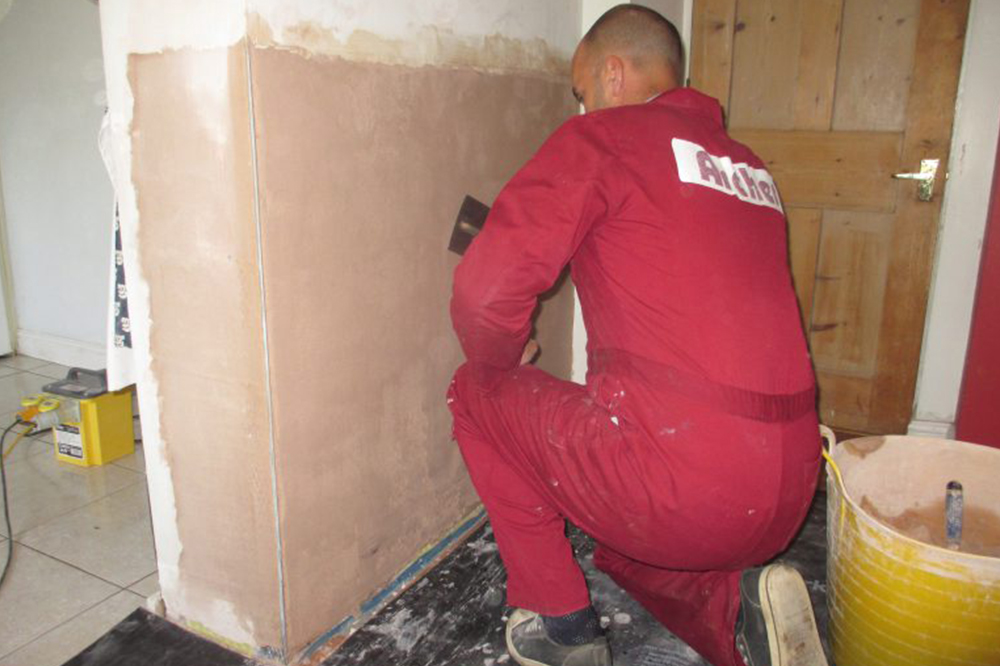
Professional property treatment specialists can identify the root cause and recommend appropriate solutions. Services often include damp proofing, timber preservation, treatments for dry rot and wet rot, basement waterproofing, structural waterproofing, and specialist property surveys.

Don’t Wait Until the Damage Spreads

If you’ve noticed any of these warning signs, it’s worth arranging a professional inspection. Experienced specialists, such as Archer Specialist Treatments, can assess the problem, provide advice, and deliver tailored treatment solutions to protect your property. Early intervention is always the most cost-effective approach.

Contact our expert team today for a professional inspection and tailored treatment advice.
Damp or Mould: Knowing the Difference

7 Early Warning Signs of Damp Most Homeowners Overlook

If you have damp or mould the first thing to do is find the cause. Damp and mould can affect your health, so it’s important to get rid of it soon.

Usually, it’s caused by excess moisture, which can result from leaking pipes, rising damp in basements or ground floors, or rain seeping in because of damage to the roof or window frames.

In a newly-built home, damp can occur if the water used when the house was built is still drying out.

A common place for mould to grow in your home is the bathroom.

The causes of this are lingering moisture caused by lack of ventilation, leaky toilets, sinks and plumping pipes and damp cellulose materials such as rugs, paper products, wood, wallpaper, grout, drywall and fabric.

According to NHS Choices, damp and mould in the home can cause respiratory problems, infections, allergies and asthma, and it can also affect the immune system.

Inhaling or touching mould spores can cause three types of symptoms:

Allergic reactions are the most common.

Mould infections can occur when mould spores are breathed into the body, allowing mould to grow inside them.

There are a few dozen moulds that are particularly toxic to humans, and these moulds release highly toxic chemicals called mycotoxins.

In order for intoxication to occur by these toxic moulds, significant quantities are needed to intoxicate.

Each needs to be treated in different ways, and damp repair costs can vary dramatically, so it’s important to know what type of damp is affecting your home before you try to get it fixed.

Condensation

Condensation is the most common kind of damp. It is caused by moist air condensing on walls, particularly in rooms with a lot of air moisture, such as kitchens and bathrooms. It’s mainly, but not always, a winter problem, as at this time of year walls are much colder than the air inside.

You may notice water droplets on windows or walls, see dark mould appearing, particularly on glass or around windows, and/or notice an unpleasant smell.  If left untreated, condensation can damage paint and plaster and cause window frames to decay, so when you see it form you should wipe it away with a cloth.

Rising Damp

Rising damp is caused by ground water moving up through a wall or floor. Most walls and floors allow some water in, but it’s usually stopped from causing damage by a barrier called a damp-proof course or damp-proof membrane.

If you have rising damp, you may notice damaged skirting boards or plaster, as well as peeling paint and wallpaper, often with wet patches. Rising damp may dissolve soluble salts from the ground and building materials, which can then crystallise, forming a white, powder-like substance. This, along with the water, can leave tide marks along the wall.

Archers can help with your rising damp, so get in touch with us today for safe and quick removal of your problem.

Penetrating Damp

Penetrating damp is caused by water leaking through walls. This type of damp may expand across your walls or ceiling, but this will move horizontally, rather than by travelling up walls (as is the case with rising damp).

Penetrating damp is usually caused by structural problems in a building, such as faulty guttering or roofing, or cracks in the walls, which mean walls or roofs are regularly soaked with water. It can also be caused by internal leaks, such as pipes under the sink or bath.

Penetrating damp often shows up through damp patches on walls or ceilings, which may darken when it rains. You’re more likely to get penetrating damp if you live in an older building with solid walls, as cavity walls provide some protection.

Speak to our experts for resolving your penetrating damp problems.