Rising damp is one of the most widely recognised property moisture problems, but it is also one of the most frequently misunderstood. A patch of damp at the bottom of a wall does not automatically mean rising damp, and treating the wrong problem can result in unnecessary expense while the real source of moisture continues to cause damage.
For homeowners, landlords and commercial property owners, understanding what rising damp is, why it develops and how it should be treated can help prevent relatively manageable moisture problems from becoming much more serious.
The most important lesson is simple: accurate diagnosis comes before treatment. Professional damp specialists, such as Archer Specialist Treatments, can survey the property, identify the source of moisture, and recommend a solution tailored to the building rather than relying on guesswork.
What Is Rising Damp?
Rising damp occurs when moisture from the ground moves upwards through porous building materials such as brickwork, mortar and plaster. Buildings are normally protected against this moisture movement by a damp-proof course (DPC). This creates a barrier designed to prevent groundwater travelling upwards through the walls.
Problems can arise when a damp proof course is:
- Missing entirely, particularly in some older properties
- Damaged or deteriorated
- Bridged by raised external ground levels
- Compromised by alterations or building work
- No longer providing effective protection.
Once moisture can move through the masonry, it can gradually affect internal finishes, timber, and other materials.
What Are the Common Signs of Rising Damp?
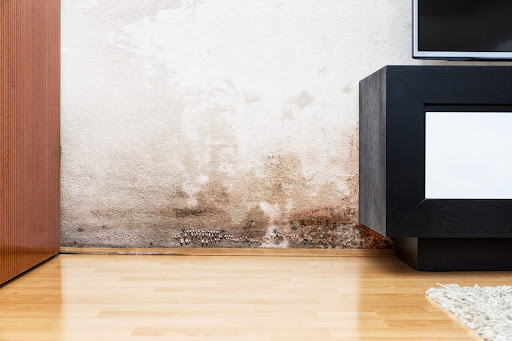
Rising damp usually affects the lower sections of walls rather than appearing randomly throughout a property.
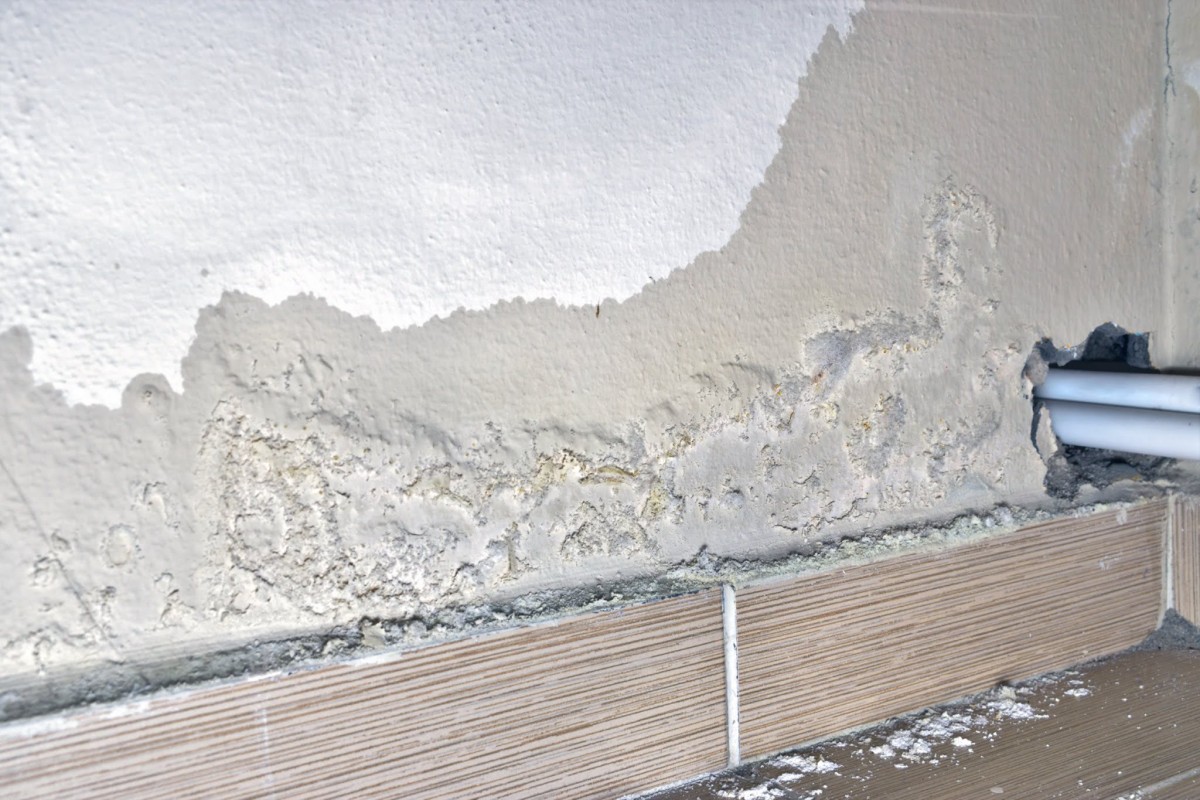
Possible warning signs include damp patches near floor level, peeling wallpaper, bubbling paint, crumbling plaster, damaged skirting boards and persistent musty smells. Archer Specialist Treatments also identifies these as common indicators that professional investigation may be needed. You may also notice a visible line or “tide mark” where moisture has travelled through the wall. Salts can sometimes appear on the surface of affected plaster too. As groundwater moves through masonry, it can carry naturally occurring salts. When moisture evaporates, deposits can remain behind.
However, none of these symptoms should automatically be treated as proof of rising damp.
Is It Definitely Rising Damp?
Not necessarily.
One of the biggest mistakes property owners make is assuming that any moisture at the bottom of a wall must be rising damp.
Similar symptoms can be caused by:
- Condensation
- Leaking pipes
- Penetrating rainwater
- Defective guttering or downpipes
- Poor drainage
- External ground levels that are too high
- Damaged pointing or masonry
- Plumbing leaks
- Inadequate ventilation
This is why simply painting over a damp patch or installing a damp proof course without investigating the underlying cause may not solve the problem.
A professional damp survey considers the wider property, the pattern of moisture and potential contributing factors before recommending remedial work.
What Happens If Rising Damp Is Left Untreated?
Rising damp rarely improves by itself.
Continued moisture can gradually damage plaster, paintwork, wallpaper and decorative finishes. Skirting boards and other nearby timber may also begin to deteriorate.
Over time, the problem can become increasingly disruptive and expensive to correct.
There is also the wider issue of protecting the building fabric. Persistent moisture can create conditions in which timber deterioration and other damp-related problems become more likely.
Archer Specialist Treatments provides expertise not only in damp proofing but also timber preservation, wet and dry rot treatment, woodworm treatment and waterproofing, allowing related problems to be investigated where necessary.
Early professional investigation can therefore be considerably more sensible than repeatedly carrying out cosmetic repairs.
How Is Rising Damp Professionally Treated?
There is no single treatment that should automatically be applied to every damp property.
Professional treatment begins with a survey.
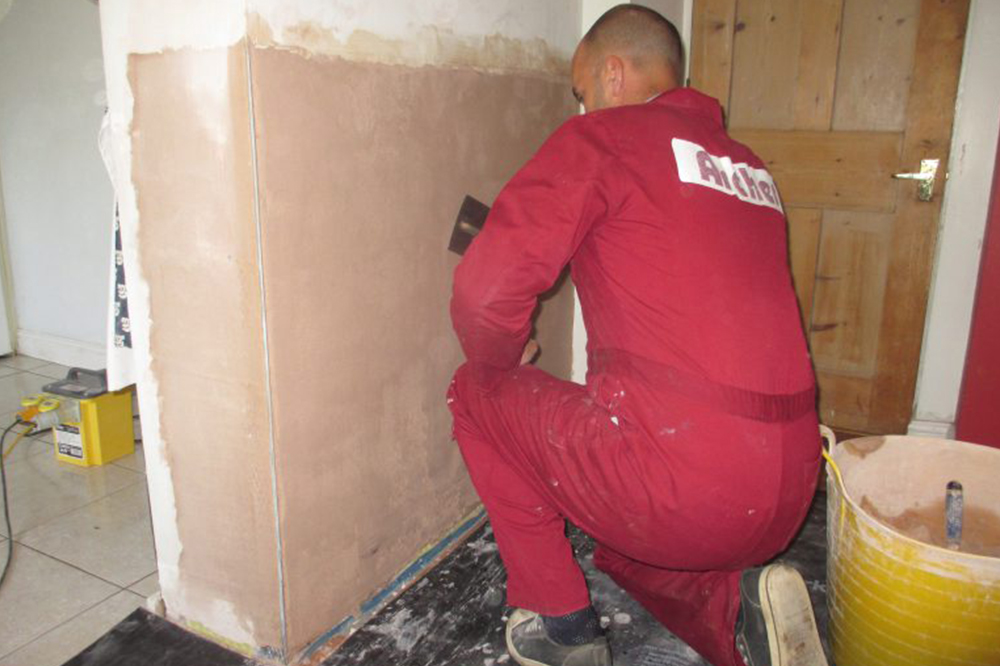
An experienced damp specialist will assess the building and identify whether rising damp is genuinely present before determining the most appropriate remedial solution. Where a failed or missing damp proof course is responsible, treatment may involve installing a new remedial damp proof course to create an effective barrier against moisture movement. Affected plaster may also need to be removed and replaced with an appropriate specialist replastering system, as moisture and salts can leave existing materials damaged or contaminated. Depending on the condition of the property, related work could include timber treatments, waterproofing, or repairs to other areas that contribute to the moisture problem. Archer Specialist Treatments’ rising damp service starts with a detailed professional property survey. It can incorporate damp-proof course installation, remedial damp treatment, specialist replastering and associated timber or waterproofing work where required.
Why DIY Damp Treatment Can Be Risky
There are numerous damp-proof paints, sealants, and treatments available to homeowners, some of which have useful applications.
The difficulty is knowing what you are actually treating.
Applying waterproof paint over a damp wall might temporarily hide staining without stopping moisture entering the structure. Replastering without addressing the cause may simply result in the new plaster becoming damaged again.
Even installing a damp-proof course will achieve little if the real cause is a leaking pipe or water penetrating from outside. Professional damp treatment is valuable because it combines diagnosis with remediation. Instead of treating the visible symptom, specialists investigate why the moisture is present and determine how to prevent it from returning.
Which Properties Can Be Affected by Rising Damp?
Rising damp is often associated with older housing, particularly properties constructed before modern damp-proofing methods became standard.
However, it is not exclusively an old-property problem.
Modern homes, extensions, commercial buildings and renovated properties can all experience damp where protective systems have failed, been bridged or been incorrectly installed.
Archer Specialist Treatments works across a broad range of residential and commercial properties, including period homes, listed buildings, modern developments, offices, schools, retail premises and heritage buildings throughout Brighton and the Home Counties, including Sussex, Surrey, Hampshire, Kent and London.
Understanding the construction and history of the specific building is therefore an important part of correctly diagnosing the problem.
Can Rising Damp Be Prevented?
While not every damp problem can be prevented, good property maintenance can reduce the likelihood of moisture issues developing. Keep external ground levels and drainage under review, repair leaking gutters and downpipes promptly, maintain pointing and masonry and investigate unexplained damp patches rather than waiting for them to spread.
Older properties can particularly benefit from periodic professional inspection where previous damp problems or timber deterioration have occurred. Most importantly, avoid treating persistent moisture as purely a decorative issue.
When Should You Call a Damp Specialist?
Professional advice is worthwhile if damp keeps returning, spreads across lower sections of walls, damages plaster or skirting boards, produces persistent musty smells or remains unexplained after obvious leaks have been ruled out.
A specialist survey is also sensible when purchasing or renovating an older property with signs of historic damp. The sooner the underlying cause is established, the easier it usually is to plan an appropriate solution.
Protect Your Property with Archer Specialist Treatments
Rising damp is treatable, but successful treatment depends on identifying the problem correctly in the first place. Archer Specialist Treatments provides professional rising damp surveys and remedial solutions for homeowners, landlords and commercial property owners. With experience spanning damp proofing, timber preservation, waterproofing, and associated remedial treatments, the team can assess the property’s overall condition and recommend a tailored approach rather than simply treating visible symptoms.
If you have noticed damp patches, deteriorating plaster, damaged skirting boards, or other unexplained signs of moisture, arrange a professional assessment before the problem worsens.
Contact Archer Specialist Treatments today to discuss your property, arrange a damp survey and find the right long-term solution for your rising damp concerns.