
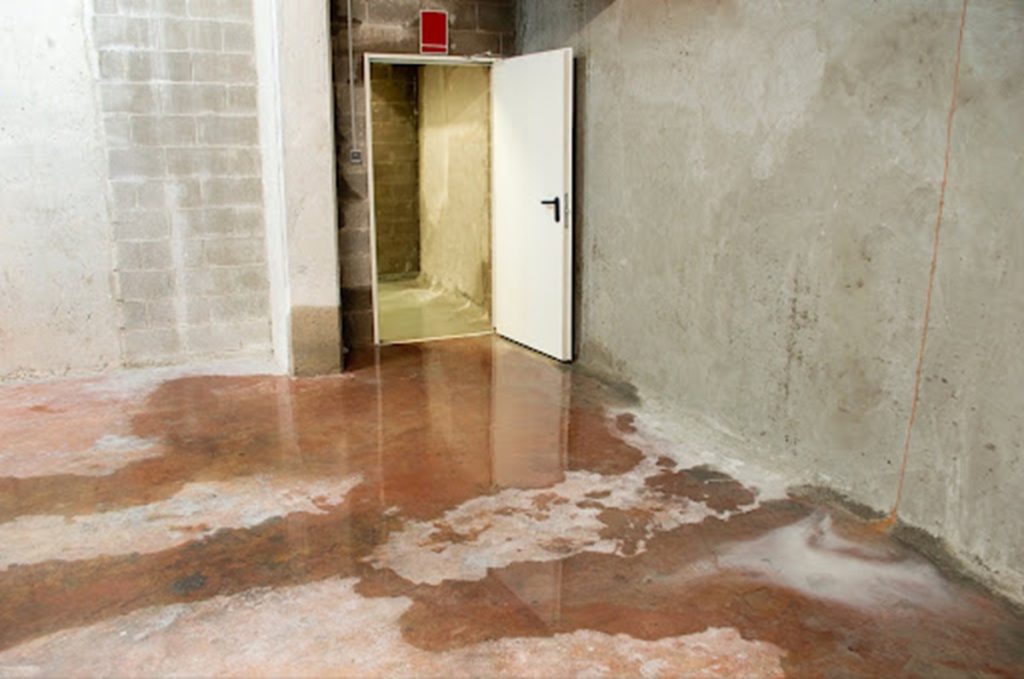
Archer Treatments provides specialist solutions for basement leaks in West Sussex, helping homeowners, property managers, landlords, and businesses identify how moisture enters and how to control it.
Why Is My Basement Leaking?
Basements are particularly vulnerable to water because some or all of the structure sits below external ground level.
Surrounding soil naturally contains moisture. When rainfall is heavy or prolonged, the ground can become saturated, and increased water pressure may push against basement walls and floors.
Water can potentially enter through:
• Porous brickwork or masonry
• Cracks in walls or floors
• Wall-to-floor junctions
• Construction joints
• Openings around pipes and services
• Defective or ageing waterproofing
• Vulnerable structural details
• Inadequate drainage
Where water becomes visible is not necessarily where it first entered the structure.
Signs Your Basement Has a Water Ingress Problem
Not every basement leak begins with water running down a wall.
Early warning signs can be much less dramatic.
Look Out for:
• Dark or damp patches on basement walls
• Water collecting at floor level
• White deposits on masonry
• Flaking paint
• Blown or deteriorating plaster
• Mould growth
• Persistent musty smells
• Damp flooring
• Leaks that appear following rainfall
If the same areas repeatedly become wet, the underlying moisture problem deserves further investigation.
Why Does My Basement Only Leak When It Rains?
This is a common question.
A basement may appear perfectly dry during settled weather but develop dampness or active leaks after several days of rain.
The cause may lie in changes to the water in the surrounding ground.
As soil becomes saturated, water pressure against the below-ground structure can increase. Moisture may then find vulnerable routes through cracks, joints or porous masonry.
Seasonal basement leaks can therefore be an important warning that the existing waterproofing provision is inadequate for wetter conditions.
Finding the Cause of a Basement Leak
Before carrying out remedial work, it is important to understand what is actually causing the water ingress.
Moisture inside a basement can have several potential origins, including groundwater, plumbing leaks, drainage problems or penetrating water from elsewhere in the structure.
We assess the building’s condition and moisture patterns before recommending suitable remedial measures.
Proper diagnosis helps prevent repeated spending on repairs without addressing the source.
Expert Basement Leak Solutions in West Sussex
The solution will depend on how and where the water is entering.
Possible waterproofing strategies can include several approaches.
Waterproof Tanking
Tanking systems create a barrier that resists groundwater from entering the finished basement.
They suit certain structures where a barrier-based waterproofing specification is appropriate.
Cavity Drain Waterproofing
A cavity drain membrane system manages water rather than relying solely on blocking it.
Water entering through the original structure is controlled behind a waterproof membrane and directed towards drainage channels.
A sump and pump may then be used where water cannot leave naturally by gravity.
Localised Waterproofing Repairs
Certain leaks may be associated with identifiable cracks, junctions or penetrations.
These areas may require specific remedial attention as part of the wider waterproofing specification.
External Waterproofing
Depending on the structure and accessibility, it may sometimes be appropriate to address water from the exterior of the building.
Not every basement suits the same approach, which is why professional assessment matters.

Why Painting Over a Basement Leak Isn’t a Long-Term Solution
Waterproof paints and surface coatings may temporarily improve a wall’s appearance, but persistent groundwater can exert considerable pressure behind the surface.
If the underlying moisture source remains, water may eventually appear elsewhere or cause the coating to deteriorate.
Likewise, replastering a wet wall without addressing the water source may mean the new finish is damaged again.
A successful repair needs to consider the water, not just the visible stain it has created.
What Damage Can Basement Leaks Cause?
Continued water ingress can affect more than appearance.
Potential consequences include damage to:
• Plaster and decorative finishes
• Flooring
• Timber components
• Stored possessions
• Furniture
• Electrical installations
• Fixtures and fittings
Persistent moisture can also make the basement considerably less practical to use.
Acting before a leak becomes severe can therefore help protect both the structure and anything kept within it.
Why Choose Our Basement Leak Specialists in West Sussex?
Archer Treatments can investigate basement water ingress in a wide range of buildings across West Sussex.
This includes domestic homes, rental properties, commercial premises, storage areas, and buildings undergoing refurbishment.
We can also advise when an existing basement is being upgraded or converted and historic leaks need to be resolved before new finishes are installed.
Planning a Basement Refurbishment?
Contact Archer Treatments
If you are experiencing basement leaks in West Sussex, contact Archer Treatments for specialist advice.
We can assess your basement, investigate the likely cause of water ingress and recommend a suitable waterproofing or drainage solution to help create a drier, better-protected space.